

After devoting a lot of time with online games, I keep coming back to the Aviator because it does one thing superbly https://flytakeair.com/aviator/. It sidesteps complicated rules and zeroes in on the raw feeling of risk. You are not pitted against the house or other players; you’re in a race against a number that could evaporate without warning. This setup generates a specific kind of pressure, a direct shot of adrenaline that is the whole point of playing. What I’ve learned is that the game’s genius is in this simplicity. It uses a basic idea and transforms it into a powerful emotional ride. Every round unfolds its own short story about greed, timing, and nerve. You can sense the tension in the air, which makes the game as interesting to watch as it is to play.
The Core Mechanics: How the Aviator Game Works

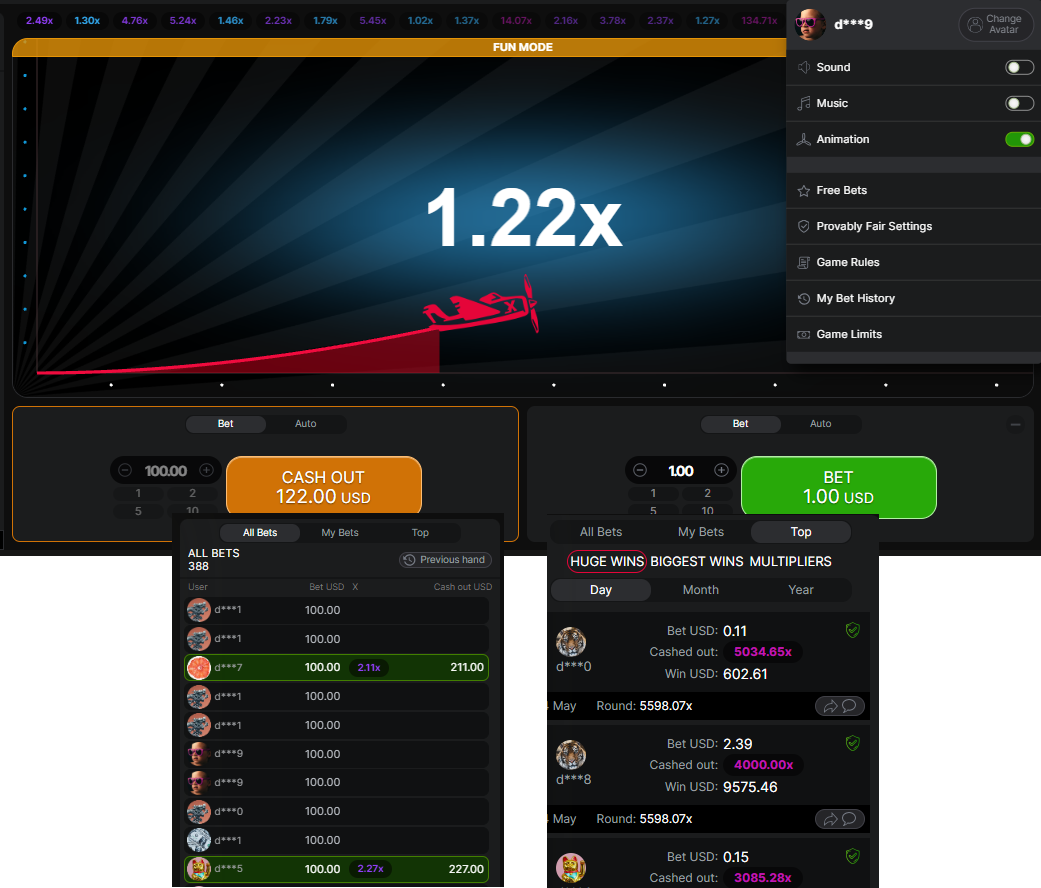
Learning the Aviator game is easy. Becoming accustomed to the tension it generates is the real challenge. Each round starts with a plane, shown as a line on a graph, beginning to rise. A multiplier commences at 1.00 and goes up as the plane climbs higher. Your only job is to click the ‘Cash Out’ button before the plane suddenly flies off the screen. Collect at a 2.00 multiplier, and you double your money. Withdraw at 5.00, you get five times your bet. But if the plane flies away before you click, you give up that stake. There’s no strategy involved in guessing when it will leave—it’s completely random. So the whole game becomes a psychological battle with yourself. You’re forever balancing the chance for a greater payout against the immediate risk of losing everything. It’s a pure, intense form of gambling excitement.
The Mental Science of the Adrenaline Spike
That rush you feel playing Aviator is not accidental. It’s skillfully woven into the structure. The real-time climbing multiplier serves as a powerful visual and mental trigger. Seeing your likely winnings grow every second plays directly into our ingrained response to growing rewards. The unpredictable crash adds another layer, putting you in a condition of high attention and anticipation. The game is a genius at using the “near-miss” phenomenon and the dread of missing out, or FOMO. Noticing the multiplier crash right after you cashed out provides you a jolt of thankful joy. Crashing a split-second before you click produces a sting of remorse. This pattern of waiting, acting, and observing the conclusion floods your system with dopamine and cortisol, mixing up a heady mix of thrill that lures players back for one more go.
Main Elements That Shape the Gameplay
A few key factors unite to form the distinctive feel of Aviator. The first is its stripped-down interface, which removes all noise and concentrates your focus entirely on the rising number and the cash-out option. After that is the social proof: most variants feature a active list of what other players are wagering and cashing out. This is not only for display. It immediately affects your decisions. Observing someone else collect at a high multiplier might entice you to stay longer, while a sequence of premature losses could lead you to bail out too quickly. Ultimately, the round’s pace is critical. Sessions are over quickly, sometimes in mere instants. This enables fast-paced rounds and maintains the overall gameplay flowing at a hectic rate. These features combine to create a smooth, social, and extremely fast form of gambling that has grown into its hallmark.
Visual and Sound Signals
The appearance and sound of Aviator fulfill a quiet but crucial part. The ascending chart line, usually accompanied with a increasing motor sound or pitch, builds anticipation you can nearly bodily sense. The second of a failure or a profitable withdrawal comes with a distinct audio—a satisfying ‘cha-ching’ or a sharp, dramatic quiet. These triggers go beyond decorating the interface. They condition your reactions and draw you more into the experience. They convert abstract numbers into a full sensory feeling, creating a victory feel more tangible and a loss more shocking.
The Shared Multi-user Aspect
Aviator stands apart from traditional slot machines because it frequently places you in a virtual environment with many of other participants. You observe their stakes and their collection decisions as they occur. This transforms a individual pursuit into a shared experience. You might feel a bond with the participants who collected with you, or a twinge of envy toward someone who gambled it all and achieved a 10x multiplier. This extra social layer adds a competitive and relative side that I think significantly heightens the affective involvement.
Creating a Custom Play Strategy
Aviator is a game of luck, but a reasonable approach can assist you in managing your bankroll and possibly extend your play. I don’t think of any tactic as a method for making a sure profit. Instead, I view it as a structure for playing with discipline. The most critical rule is to determine a loss limit and a win goal before you log on, and then stick to them no matter what. The game moves so fast it can blur your judgment. Next, consider your bet amount. Utilizing a modest, consistent percentage of your total bankroll for each round can protect you from a bad streak wiping you out. Some players try a “one-and-done” or “doubling” technique after wins or losses, but I’ve seen these approaches accelerate losses just as fast as they can increase wins.
- Set Absolute Limits: Select the most you’re willing to lose and a profit target that will prompt you to quit. Exit the game when you reach either one.
- Employ a Fixed Bet Size: Bet the same minor amount every round. This helps you avoid making larger, emotional bets after a loss, which is chasing losses.
- Practice with Practice Mode: Virtually all sites present a free-to-play option. Take time there to understand the game’s flow without risking real cash.
Accepting the Importance of Randomness
You need to get this into your head: the Aviator game runs on a Random Number Generator, or RNG. Every round’s result is separate and impossible to foresee. The plane might crash at 1.10 or it might keep going past 100x. There is no pattern, no “due” crash, and no secret algorithm based on past rounds. This is the single most crucial idea to understand. Falling for “hot streaks” or “cold tables” is a trick of the mind called the gambler’s fallacy. The game’s design, especially that live feed of bets, can make you see patterns that aren’t there. Embracing the total randomness is the bedrock of playing responsibly. It reminds you that every cash-out choice is about your own feelings with risk, not a clever prediction of what comes next.
What to Look for in a Quality Aviator Platform
Picking where you play matters just as much as how you play. A reliable platform guarantees fairness, security, and a decent experience. My first check is always for proper licensing. A site holding a license from a strict regulator like the Malta Gaming Authority or the UK Gambling Commission gets audited regularly, which confirms the RNG is honest. Second, look for the game’s published Return to Player, or RTP, percentage. Aviator typically has a high theoretical RTP, often around 97%, but this can change depending on the provider. Third, evaluate the user experience. You need seamless performance, a clear cash-out button, and an accurate record of your game history. Finally, review the payment options and how fast they process withdrawals. A reliable site will give you multiple secure methods and won’t delay when you want to take your money out.
Common Misconceptions and Mistakes
A few lingering and risky myths follow games like Aviator. The largest one is the belief that a clever strategy can “beat” the game. No betting system can cancel out the built-in house edge defined by the random crash point. Martingale systems, where you increase your bet after a loss, are particularly dangerous and can cause huge losses very quickly. Another trap is misreading the social feed. Just because a few players cash out at high multipliers doesn’t mean a higher multiplier more likely next time. Each round is independent. Also, the adrenaline rush itself can become a issue, leading you to chase losses or blow past the limits you set when you were thinking clearly. I tell players to be wary of these psychological traps.
The value of Safe Gaming
Since Aviator is so intense and fast, a disciplined mindset isn’t optional. That identical adrenaline surge that makes it fun can also result in rash, damaging choices. I can’t stress enough how critical it is to set firm time and money limits before playing. Use the responsible gaming tools that reputable sites provide, like deposit limits, loss limits, time limit warnings, and the ability to exclude yourself. View the game as a paid experience, not a way to make money. The price of your session is the money you’re okay with losing. Should you notice yourself plotting to win back losses or playing longer than you planned, that’s a clear warning sign to stop. The goal should be to experience the excitement, not to be consumed by it.
Pitting Aviator to Traditional Casino Games
Aviator marks a clear shift from standard casino games. It doesn’t require the skill or rule familiarity of blackjack or poker. Unlike roulette, you don’t place your selection before the spin; you choose while the action is truly happening. And unlike slots, the outcome isn’t instant; you have an engaged, time-pressured call to reach during the round. This interactive element while the round plays out is what alters everything. Also, the social visibility—seeing what everyone else picks—is scarce in standard games. To me, Aviator is part to a new category of “crash” games. It provides a simpler, faster, and more transparent kind of action compared the more regulated, steady rhythm of traditional table games, even though the hazard is simply as real.
- Decision Timing: In traditional games, you choose before the outcome. In Aviator, you decide while it develops.
- Expertise Factor: Poker requires skill. Aviator is entirely about handling your own mindset under pressure.
- Social Layer: Aviator reveals you what other players are doing, which affects your play in real time. Most traditional games maintain this private.
- Rhythm: Aviator rounds last seconds, cramming far more betting actions into an hour than traditional games.
